GLOBAL SEAWEED-PROTECT International Seminar Strengthens Global Collaboration on Marine Biodiversity, Biotechnology, and Blue Economy
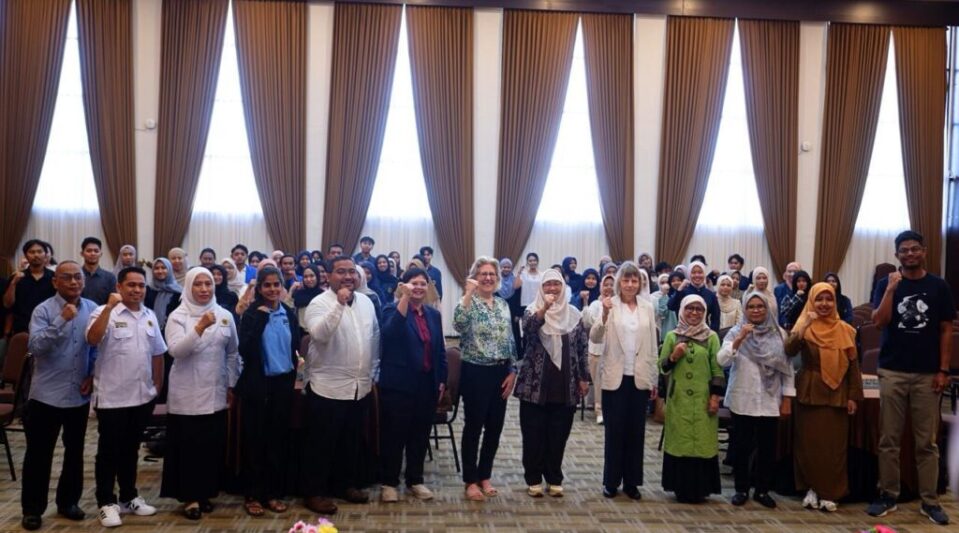
Mataram, Indonesia – The International Tropical Seaweed Research Center (ITSRC), University of Mataram, successfully organized the GLOBAL SEAWEED-PROTECT: International Seminar on Marine Biodiversity, Biotechnology & Blue Economy Collaboration, bringing together international experts, researchers, policymakers, and stakeholders to discuss the sustainable development and protection of seaweed resources.
The seminar served as a platform for knowledge exchange and international collaboration, featuring distinguished speakers including Dr. Eka Prasedya, Prof. Juliet Brodie, Prof. Elizabeth, Prof. Lim, and Dr. Niko. Discussions focused on marine biodiversity, seaweed conservation, biotechnology, biosecurity, and innovative financing mechanisms to support a sustainable blue economy.
In her opening remarks, Siti Latifah highlighted the importance of international collaboration in advancing seaweed research and innovation. She reaffirmed the commitment of the University of Mataram, through ITSRC, to developing a leading seaweed research center that contributes to sustainable marine resource management and the growth of the blue economy, particularly in West Nusa Tenggara.
During the seminar, Dr. Eka Prasedya presented Indonesia’s perspective as the world’s second-largest seaweed producer, emphasizing the importance of conserving wild seaweed populations and developing a Seaweed Biobank to safeguard valuable genetic resources. Prof. Juliet Brodie discussed the growing threats of climate change to global seaweed ecosystems and highlighted the role of the Seaweed Breakthrough Initiative in advancing seaweed conservation worldwide.
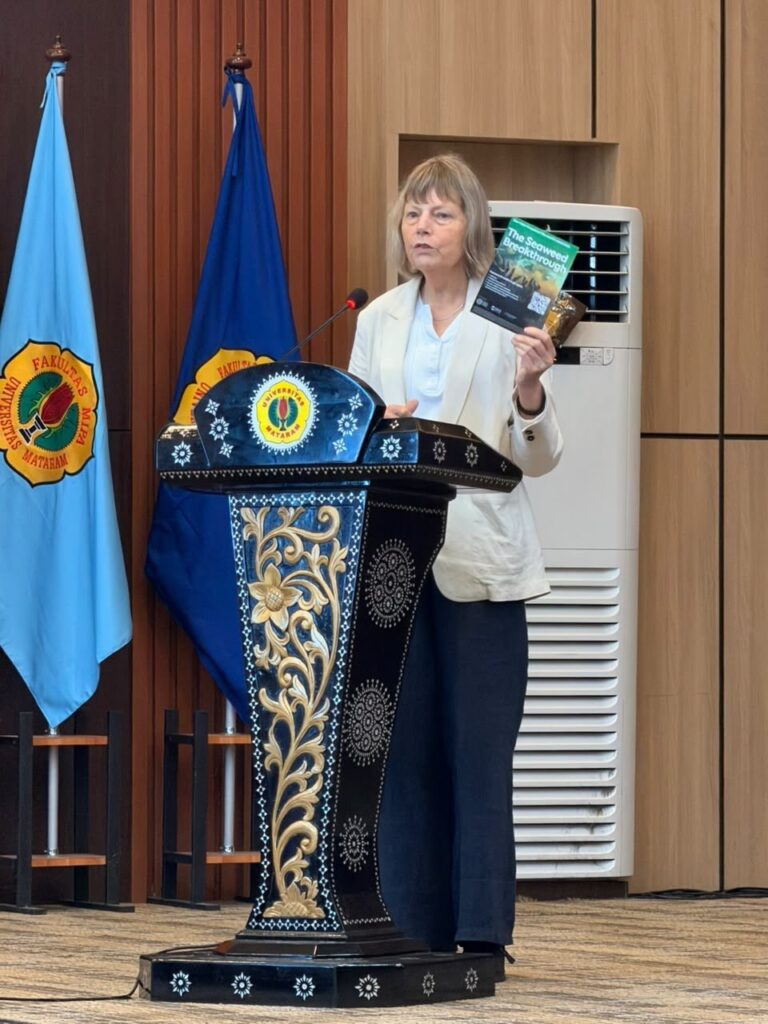
Prof. Elizabeth introduced the Global Seaweed Protection and Seaweed Superstar Project, which focus on protecting wild seaweed resources, strengthening public awareness, and promoting biosecurity across the seaweed industry. Meanwhile, Prof. Lim shared insights into seaweed research and development in Malaysia, addressing key challenges such as climate change, limited germplasm resources, and declining genetic diversity.
Complementing these discussions, Dr. Niko presented the concept of blue finance, including instruments such as Blue Bonds, Debt-for-Nature Swaps, and Blue Carbon Credits, as innovative approaches to support seaweed sustainability while improving the livelihoods of coastal communities.
The seminar concluded with a shared commitment to strengthening international partnerships in seaweed research, conservation, and industry development. Initiatives such as the Seaweed Biobank, Global Seaweed Protection, Seaweed Breakthrough, and blue finance were recognized as essential steps toward ensuring the long-term sustainability of seaweed resources and enhancing their contribution to the global blue economy.