UNRAM-ITSC Strengthens International Community Engagement in Satun, Thailand
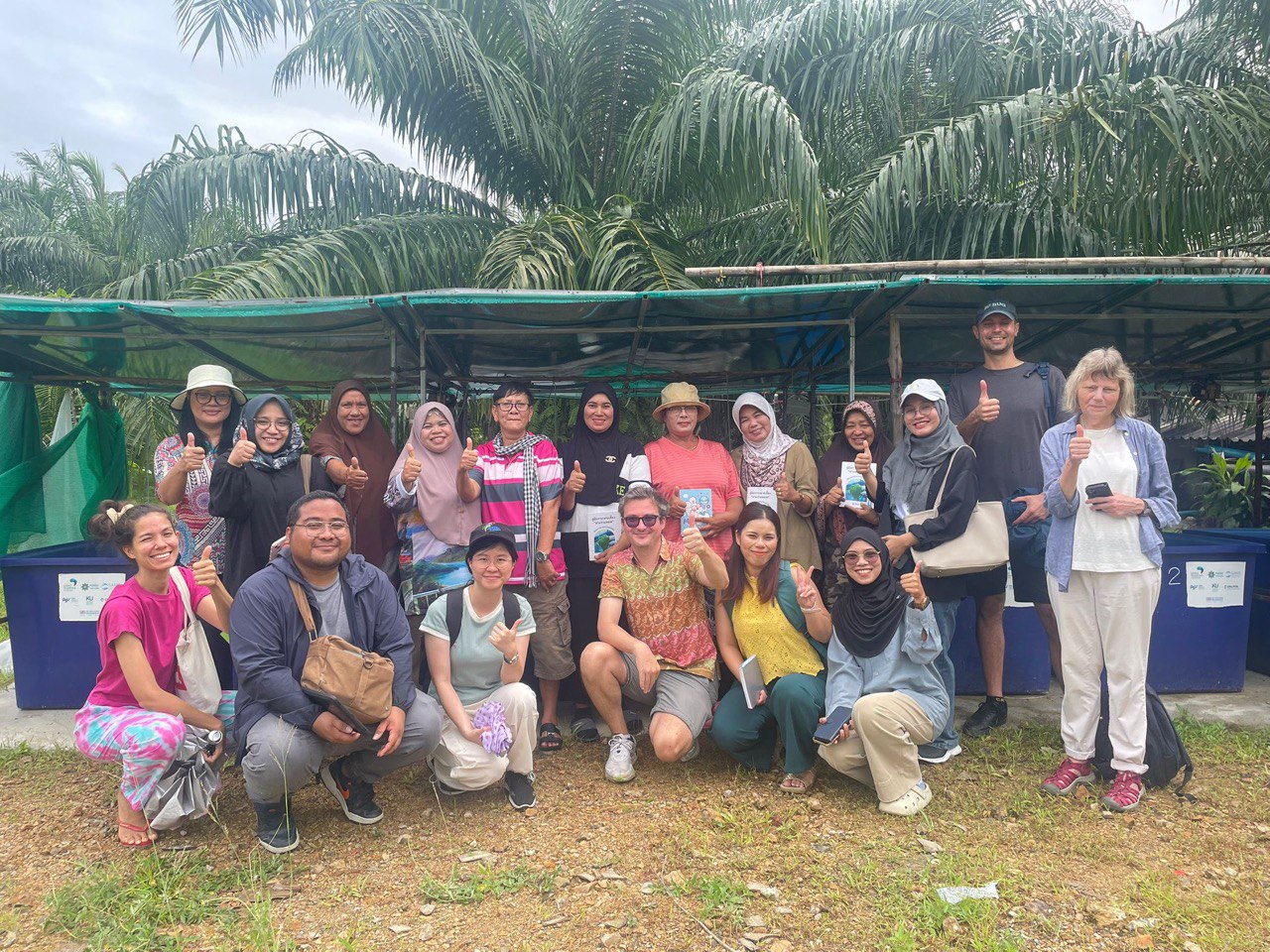
Satun, Thailand — The International Tropical Seaweed Center, a leading research center at the University of Mataram focusing on the sustainable utilization of marine resources through a biorefinery approach, has strengthened its role in international community engagement in the marine sector. In collaboration with Yunus Thailand, Kasetsart University, Natural History Museum, Scottish Association for Marine Science (SAMS), Universiti Malaya, and University of the Philippines, ITSC actively participated in a stakeholder meeting and experience-sharing session on Caulerpa cultivation in Satun, Thailand.
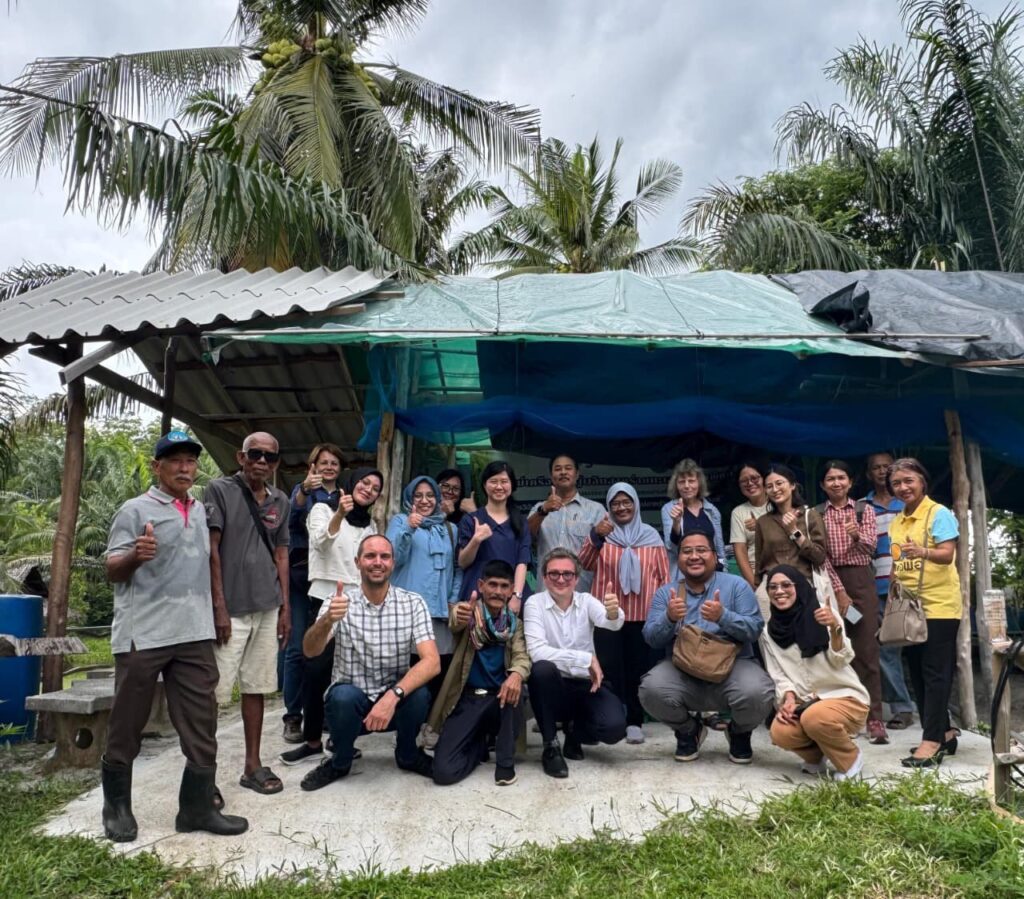
The meeting was attended by the Governor of Satun Province, Thailand, along with representatives from relevant government agencies, industry, and local aquaculture communities. This initiative was made possible through the dedication of Callum McKenzie, Managing Director and Co-Founder of Yunus Thailand, and his team, who developed household-scale Caulerpa cultivation technology using a simple kit. The technology is designed in line with Good Aquaculture Practice (GAP) principles—easy to operate, hygienic, efficient, and environmentally friendly.
The collaboration also involved distinguished academics, including Associate Prof. Rapeeporn Ruangchuay from Prince of Songkla University and Associate Prof. Narongrit Muangmai from Kasetsart University. The entire program was fully supported by the Global Seaweed Protect Project, led by Prof. Juliet Brodie from the Natural History Museum, UK, as part of global efforts to strengthen food security and the blue economy through seaweed.
Representing ITSC, Dr. Eka Prasedya highlighted that this model could serve as an inspiration for coastal communities in Indonesia. “With simple technology and proper aquaculture standards, even household-scale operations can produce high-quality, competitive products,” he stated.

The initiative concluded with an agreed action plan, including technical training, community mentoring, and strengthening cross-border market networks to ensure both economic sustainability and the preservation of coastal ecosystems.